

Whether you have limited outdoor space or are looking to start your planting earlier in the season, you can grow tomato plants indoors. You will need to provide your plants with plenty of light and the right soil mix, but with a little TLC, you can enjoy homegrown tomatoes even if you don’t have a garden.
While it is possible to grow tomato plants indoors, there are a number of challenges that must be overcome. The biggest challenge is providing enough light since tomatoes need a lot of light to produce fruit. Another challenge is maintaining a consistent temperature since too much heat or cold can damage the plants. Additionally, it can be difficult to keep the indoor plants from becoming infected with pests or diseases.
Can I grow tomatoes indoors all year round?
Tomatoes are a great addition to any indoor garden, and with the right care they can produce a bountiful crop. Here are a few tips to get you started:
1. Choose a sunny spot in your home for your tomato plants. They will need at least six hours of sunlight each day.
2. Start with plants that are specifically bred for indoor growing. These will be smaller and more compact than outdoor varieties.
3. Be sure to fertilize your plants regularly. Tomatoes are heavy feeders and will need extra nutrients to produce a good crop.
4. Water your plants regularly, but be sure not to overwater. Too much water can lead to problems with rot and disease.
With a little care and attention, you can enjoy fresh, homegrown tomatoes all year round!
1. Strong, bright light is essential for growing tomatoes indoors. Choose a south-facing window or install grow lights.
2. Choose small, compact varieties of tomatoes that are suited for growing in containers.
3. Provide heat at seed starting by using a heat mat or placing the seedlings near a radiator or other source of warmth.
4. Transplant the seedlings to a large pot once they have outgrown their initial container.
5. Find a consistently warm spot for the plants. They will need temperatures of at least 70 degrees Fahrenheit to thrive.
6. Keep the plants moist but not wet. Water them regularly, but allow the soil to dry out somewhat between watering.
7. Fertilize the plants regularly, using a tomato-specific fertilizer or a balanced fertilizer.
8. Help with pollination by gently shaking the plants or using a small paintbrush to transfer pollen from the male flowers to the female flowers.
9. Be on the lookout for pests and diseases. Check the plants regularly and take action if you see any problems.
10. Enjoy the fruits of your labor! Harvest the tomatoes when they are ripe and enjoy them fresh from the plant.
Recommended Products
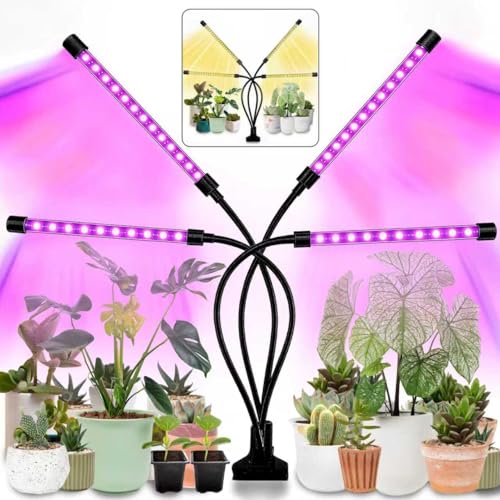
🌻Efficient LED Combination: This LED lamp has grow lights made up of 80 efficient growing LEDs ( 32 red lights, 12 blue lights,20 yellow lights and 16 white lights). It meets the conditions of plant growth without sunlight. 1--Full Spectrum(380nm-800nm): Suitable for all plants to root and sprout. 2--Red(660nm)+BLUE(460nm) Spectrum: for blooming and fruits. 3--Red+Blue+Full Spectrum: A mix of Red+Blue+Warm White is best to fuel the growth of your plants.

【Newest Grow Light】The appearance of the lamp head adopts patentable mold technology and incorporates exclusive design concepts. The back plate has a unique pattern and premium texture which is not easily scratched. The holes in the back are specially reserved for heat dissipation space, saying goodbye to the heating problem during the use of the lamp.

【Newest Grow Light】The appearance of the lamp head adopts patentable mold technology and incorporates exclusive design concepts. The back plate has a unique pattern and premium texture which is not easily scratched. The holes in the back are specially reserved for heat dissipation space, saying goodbye to the heating problem during the use of the lamp.
How long will a tomato plant live indoors
In places where the temperature never falls below 60 degrees, tomatoes are short-lived perennials that will last for two years. In their third year, the plant tends to stop producing viable fruit.
Yes, you can grow tomatoes indoors with LED lights. LEDs are becoming more popular because they are more energy-efficient than other types of grow lights.
What is the best tomato to grow indoors?
If you want your tomatoes to ripen quickly, go for the smaller varieties like plum and cherry tomatoes. Vining plants (“indeterminates”) are ideal for growing indoors, though they take up more space than bush plants (“determinates”).
Tomatoes are a great crop to grow indoors in succession so you can enjoy fresh tomatoes all winter! Make sure they get 8 hours of full sun each day, and you may need to invest in grow lights to get them through the shortest days of the year.
Can I save a tomato plant alive all year?
Overwintering indoor tomato plants can be a bit tricky and they do have some specific requirements. The biggest downside to this method is that they need a lot of sunlight. Yes, you can put the pots on a bright windowsill, but even in the brightest window, they will usually only survive the winter with a few scraggly leaves.
Tomatoes are one of the most popular home-grown crops, prized for their sweetness, juiciness and versatile uses in cooking. Although they’re generally easy to care for, there are a few things to keep in mind to ensure a bumper crop of juicy, flavourful tomatoes.
Most importantly, tomato plants need at least eight hours of sunlight per day in order to produce fruit, so choose a spot in your garden or on your balcony that gets plenty of sunshine. They also prefer a well-drained, nutrient-rich soil, so if your soil is heavy or clay-like, mix in some compost or well-rotted manure before planting.
Once your tomato plants are in the ground or in large containers, water them well and keep the soil moist but not waterlogged. Add a layer of mulch around the plants to help conserve water and keep the fruits clean.
As the fruits start to swell, give them some support with tomato cages or stakes. This will also help to keep the fruits off the ground, which can encourage rot.
Finally, resist the temptation to harvest your tomatoes too early – wait until they’re fully ripe and red before picking them, as this is when they’ll be at their sweet
Recommended Products

Multi-Purpose Stand Grow Lamp: Compared to traditional plant light, our newest grow light feature a detachable tripod design, which you can insert it directly into a plant pot by our pointed nut or place it on the floor or desktop with tripod stand, you can choose the appropriate irradiation method according to your own preferences.

NOTE: The product stand needs to be pressed down by the flower pot to be stable. Not wireless style. 2 Installation Methods: Specially designed plant light for indoor plants, which can be inserted in the soil or stand for lighting.Unique and easy to assemble and disassemble.

Built for Large & Tall Indoor Plants – Stable, Bright, and Adjustable: Designed specifically for floor plants and tall indoor trees, this grow light delivers strong, even lighting with 80 high-output LEDs for wider coverage. The heavy-duty metal base with non-slip pads keeps the plant light firmly in place, no tipping or wobbling, even for large pots. Adjustable height from 20 to 68'' easily fits corners, planters, and tall plants.
Why are my indoor tomato plants dying
Water stress is one of the most common reasons for tomato plants to wilt. Other potential causes include fungal wilt diseases, tomato spotted wilt virus, walnut toxicity, and stalk borers.
Tomato plants need at least six hours of full sun exposure daily in order to achieve the best results in terms of yield and sweetness of fruits. However, if you only have six hours of sun available, you can still grow tomatoes successfully.
How often do you water indoor tomato plants?
Watering your tomato plants early in the morning is the best time to water them. As temperatures start to increase, you might need to water your tomato plants twice a day. Garden tomatoes typically require 1-2 inches of water per week. Tomato plants grown in containers will need more water than garden tomatoes.
Tomatoes require full sun to produce the maximum amount of fruits. The sun also helps the tomato plants to produce more sugars, which results in a sweeter fruit. The ideal location for planting tomatoes is in an area that receives at least eight hours of direct sunlight per day. If you live in a hot climate, you can get away with planting tomatoes in an area that receives dappled shade.
Recommended Products

6000K Daylight Full Spectrum- Packed with 40 white and 8 red LEDs, this growth light throws a crisp 6000K beam that reads like real sunshine indoors. Built for flowers, herbs, peppermint, succulents, and seed starting, and flexible enough for hanging baskets, trellises, floor pots, and bonsai alike.
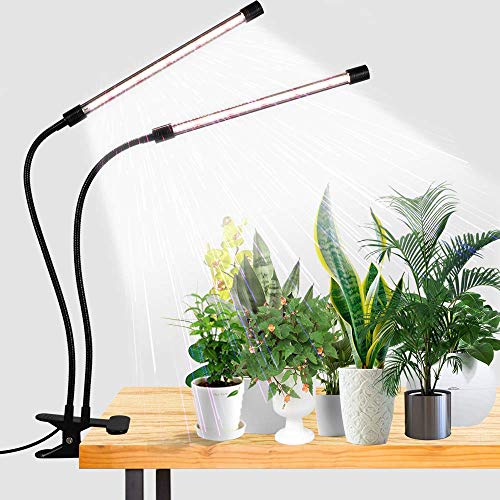
6000K White Light - equipped with 10 Red + 74 White LEDs, this growing Lamp is similar to the full-spectrum sunlight at noon,that is professionally designed for indoor garden plants.Moreover, its color rendering index is as high as 95, the light is soft and flicker-free, which is very suitable for reading lamp

FULL SPECTRUM & NATURAL LIGHT: A19 full spectrum grow light appears 4000K white to eyes but has a red/blue light spectrum. Same as natural sun shine, perfect for tomatoes, cucumbers, peppers, leafy greens and herbs at all growth stages.
How many hours of light do indoor tomatoes need
If you want to grow tomatoes indoors, you’ll need to make sure they get enough sunlight. Tomatoes need a minimum of six hours of light per day to produce fruit, but eight or more hours of light will have the best results. If you can’t provide enough natural light, you’ll need to supplement with artificial lighting.
Tomato plants are known as “long-day” meaning that they develop faster with over 12 hours of light (and only need 6 hours of darkness to rest). So, set your timer to light your plants for 14+ hours is best.
How far should LED lights be from tomato plants?
LED bulbs can emit intense light energy, so if you want your tomato plants to grow plump and juicy tomatoes, don’t keep the bulbs more than 30 inches (75 cm) above them.
Lettuces, leafy greens, sprouted seeds, radishes, carrots and herbs are among the easiest plants to grow indoors in winter. They tolerate cooler temperatures and limited light. They also mature quickly, and many, like chives and parsley, don’t grow tall.
What vegetable plants can you grow inside
There are many vegetables that you can grow indoors. Here are 9 of the best:
1. Carrots
2. Green onions/scallions
3. Herbs
4. Hot peppers
5. Leafy salad greens
6. Microgreens
7. Potatoes
8. Radishes
Each of these vegetables has its own unique benefits. Carrots, for example, don’t require much space around them. Green onions/scallions are perfect for indoor gardening since they don’t need a lot of light. Herbs are also a great choice for indoor gardening since they are easy to care for and don’t require a lot of space. Hot peppers are perfect for those who want to add a little spice to their indoor garden. Leafy salad greens are a nutrient-rich addition to any indoor garden. Microgreens are perfect for those who want to get the most out of their indoor gardening space. Potatoes are a versatile vegetable that can be used in many different dishes. Radishes are a fast-growing vegetable that can be harvested in as little as 21 days.
If you’re growing tomatoes from seed, you can start them indoors in March or April. Pop them in clean yoghurt pots filled with seed compost and place them on a sunny windowsill. In May or June, you can move your baby plants outdoors (or buy ready-grown young plants).
What do you do with indoor tomatoes in the winter
When moving your plants into their winter home, be sure to cut back about half of the plant. This will help to adjust it to the lower evaporation and light requirements of the winter season. Don’t worry though, plenty of new side shoots will form over winter which will eventually bear flowers and fruit in the summer.
The main challenge in tomato cultivation is providing an even moisture supply. You should be careful to prevent any drought period after a heavy watering dose. During in winter season, give water after of 10 to 15 days. Tomatoes need careful irrigation that is just sufficient water at the right time.
What to do with tomato plants at end of season
It is important to end the tomato growing season properly in order to ensure a good harvest the following year. One way to do this is to cut back on water and withhold fertilizer to stress the plant. This will help the plant to focus its energy on ripening the tomatoes. Another method for ripening the tomatoes is to pull the entire plant from the ground and hang it upside down in a basement or garage. If you do this, make sure to check the tomatoes regularly and pick them as soon as they are ripe.
Tomato plants will not regrow if you cut them back to the ground. They may sprout a few new leaves, depending on how much of a stump is left, but even then they likely won’t have enough time to grow and produce fruit before frost sets in.
What is the average lifespan of a tomato
Tomato plants have a relatively short lifespan, averaging about 8-12 months. However, with proper care and in ideal conditions, they can live for 2-5 years. Tomato plants generally take 60-100 days to produce fruit.
Tomatoes are a fruit that is commonly harvested twice a week when the plants are around three months old. The length of time that fruiting may continue for depends on the cultivar, soil conditions, and climate, but is typically 1-2 months. Tomatoes typically ripen while still on the plant; however, they may also continue to ripen after being harvested.
Warp Up
Yes, it is possible to grow tomato plants indoors. tomato plants need plenty of sunlight, so a south-facing window is ideal.
Yes, you can grow tomato plants indoors. You will need to provide them with the right amount of light and water, and you may need to use a growing lamp to help them get the right amount of light.
