

Bell peppers are lovely vegetables that come in a variety of colors, including red, yellow, and green. They make a tasty and healthy addition to any meal. You may be wondering if it is possible to grow bell peppers indoors. The answer is yes! With a little effort, you can successfully grow bell peppers indoors.
Yes, bell peppers can be grown indoors.
Recommended Products

Complete Pepper Growing Kit - Comes with 8 pepper seed packets (bell, jalapeno, anaheim, cayenne, ancho, seranno, habanero, and hungarian hot wax), 8 soil disks, 8 plant markers and 8 plastic pots!
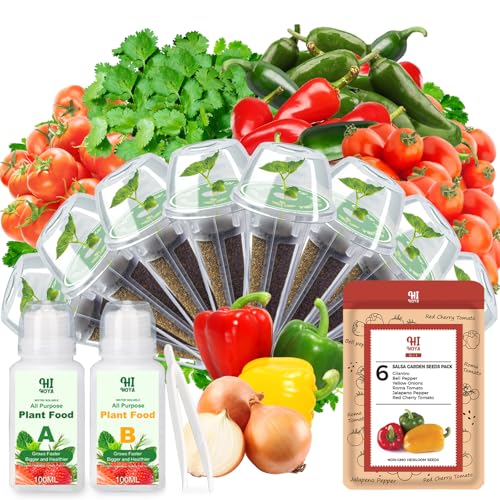
Heirloom Non-GMO Seeds: The seeds in garden starter kit contains approximately 600 easy grow salad greens gardening seeds, including Red Cherry Tomato, Bell Pepper, Yellow Onions, Cilantro, Jalapeno Pepper and Roma Tomato. This diverse selection ensures you have all the fresh produce needed for homemade salsa

Hot and Bell Pepper: Pepper(Capsicum Annuum) is essential vegetable food and spice source. It is perfect for your salad, sauce, stir-fries and BBQ. There are over 600 seeds, 10 kinds of pepper collection with scoville heat units from 0 to 1,000,000. Including ghost pepper, cubanelle, cayenne, california wonder bell, jalapeno, cherry, anaheim, big jim chili and more. Whether you like hot or bell pepper, this garden kit has something to please you
Can you grow peppers indoors all year?
It is possible to grow peppers indoors, contrary to popular belief. If you want to try this method, bring the plant inside before cold weather hits in the fall so it doesn’t start going dormant. If your plant is too large to bring in, you can prune it to a smaller size.
Pepper plants need about 8 weeks indoors before transitioning to a permanent outdoor spot. Start pepper seeds indoors 6-8 weeks before your last date of frost. In warmer regions, the growing season will be longer, and plants can be started earlier to extend the grow season.
Recommended Products

Colorful Mini Harvest: Premium mini bell pepper seeds produce sweet 1-inch peppers in red, yellow, orange, brown, and green. Compact 20-30" mini peppers are perfect vegetable plants & seeds for small gardens.

High Germination Rate: These vegetables seeds sprout in 7–10 days, ideal garden seeds for indoor growing or garden beds, containers and greenhouses. in USDA zones 4–11. Sweet red peppers fresh develop their full sweetness and a richer flavor as they turn red.

High Germination Rate: Mini bell peppers heirloom seeds sprout in 7–10 days, producing uniform baby peppers garden seeds on compact 20–30 inch baby bell pepper plant for small gardens.
How long can a bell pepper plant live indoors
Most peppers are capable of surviving longer than one season, although some may not do very well after the first year. Some peppers will survive for up to five years or more.
Peppers are a great crop to grow in containers, as they don’t require a lot of space. With the right tools, plants, and care, you can easily harvest a bountiful crop of peppers. Make sure to choose a sunny spot for your containers, and water regularly. Use a good quality fertilizer to ensure your plants are getting all the nutrients they need. With a little care, you’ll be picking peppers in no time!
What is the easiest pepper to grow indoors?
If you want to grow pepper plants indoors, the best varieties to choose are small peppers such as pequins, chiltepins, habaneros, and Thai peppers, or small ornamental varieties. Indoor pepper plants need the same requirements as those grown outside, including enough space in a container for their roots to grow.
If you’re looking to grow chiles indoors, the best varieties to choose are those that are ornamental and relatively small. These are typically the same varieties that are grown outdoors as container plants. Some good examples include piqu’ns, chiltepins, habaneros, and Thai peppers. For more information, check out the “Encyclopedia of Chiles.”
Recommended Products

SWEET MINI PEPPERS – Colorful red, yellow, and orange snack-size peppers with crisp, mild flavor for fresh eating or roasting

High Quality Material: LlfeNest moss poles are made of natural fiber material derived from coconut shells, ideal for growing plants to attach new air roots and help plants retain moisture and nutrients. The inner core of this bendable moss poles are made of solid aluminum bar, which is strong and rust-free.

Do peppers grow better in pots or ground?
Fill your pot with a high-quality potting mix, and plant your pepper plant at the same depth it was growing in its original pot. Water thoroughly, and place your pot in a sunny spot. Keep the soil moist but not soggy, and fertilize every two weeks with a balanced fertilizer. harvest your peppers when they’re young and tender for the best flavor.
For the best harvests and healthy plants, we like to plant pepper plants in deep beds, we recommend 18-24″ of soil depth. Small peppers (less than one foot high) can grow well in two-gallon containers, but bigger plants need at least five-gallon pots, and all peppers thrive best with more room.
Can I bring my pepper plants inside for the winter
Hot peppers are a great choice for indoor plants during the winter months. They are easy to care for and will provide you with fresh peppers all winter long!
If you want to grow bell peppers, keep in mind that they have a long growing season. Bell peppers take between 60 and 90 days to grow, so it’s best to start them early. You should sow your bell pepper seeds 8 to 10 weeks before your last spring frost date. With a little patience, you’ll be able to enjoy fresh bell peppers in no time!
What temperature kills bell pepper plants?
When the temperature starts to dip below 50 degrees, peppers can start to experience damage. Frost occurs at about 32 degrees Fahrenheit, so even if there is no frost, the cold weather can cause problems for pepper plants. In general, it is best to keep pepper plants warm and sheltered when the temperature starts to drop.
Pepper plants are best spaced 18 to 24 inches apart in order to give them room to grow. They need full sun for at least 6-8 hours per day. Be sure to mix some compost or other organic matter into the planting area to help the plants get started. Water them immediately after planting, then keep the soil moist throughout the growing season.
Can I plant 2 pepper plants in a 5 gallon bucket
One pepper plant per 5 gallon pot is a general rule of thumb, but it can vary depending on the size of the pot and the type of pepper plant. If you have a large pot, you can plant 2-3 peppers, but if the pepper plant is a smaller variety, you may only be able to plant one.
Peppers are a versatile and popular vegetable that can add a zesty flavor to any dish. They can be used in both cooked and raw dishes, and are a good source of vitamins and antioxidants. Peppers need at least six to eight hours of full sun during the growing season. Ideally, soil should be well drained and contain high organic matter. However, peppers can thrive in moderately fertile soil. Peppers are a warm-season crop, so they should be planted after the last frost date in your area. Peppers can be grown in both containers and in the ground. When growing peppers in containers, be sure to use a pot that is at least 12 inches in diameter, as peppers need room to grow. Be sure to water peppers regularly, as they require consistent moisture. Fertilize peppers every two weeks with a balanced fertilizer. Peppers are ready to harvest when they are a deep green or red color. Simply cut the pepper off the plant, being careful not to damage the stem. Peppers can be stored in the refrigerator for up to two weeks.
How many bell peppers can I get from one plant?
You can expect 5-10 large bell peppers per well-grown plant, and 20-50 hot peppers per plant. Peppers are a great addition to any garden, and they are relatively easy to care for. Just be sure to give them plenty of space to grow, and water them regularly.
It is a good idea to keep peppers as annuals in most gardens because they take a lot of work to keep up. However, if you have the right conditions, they can easily be overwintered to next year. With the right care, these plants can produce fruit for many years.
How do you pollinate peppers indoors
You can use an electric toothbrush. You can buy a cheap one for a few dollars and just go to the store and buy one. You don’t need a special kind, just a regular one will do.
When it comes to planting peppers in containers, some varieties will do well in narrower pots (8 inches), but larger plants will usually fare better in containers that are at least one foot in diameter. However, both cases require pots that are at least 10 inches deep to allow for adequate root growth. Five-gallon buckets are typically the perfect size for most peppers.
How long do bell pepper plants live
Perennials are a type of plant that live for more than one growing season. However, if they are not taken care of properly, they may only live for one season. If you want your perennials to live for several years, you need to make sure you maintain your garden well.
observe the seed packets for the ideal germination temperature for your pepper seeds. Most will say 70°F (21°C) or above. Use a heating mat to encourage germination if necessary,
Do bell peppers need heat to grow
Peppers are a warm weather crop, and thrive when temperatures are in the range of 70-80 degrees Fahrenheit during the day, and 60-70 degrees Fahrenheit at night. They are sensitive to frost and cold weather, so planting should be delayed until the danger of frost has passed in the spring.
If you live in a colder climate and want to grow bell peppers, you’ll need to start the seeds indoors and then transplant them outdoors once the weather warms up. Make sure to give them a long growing season, as they require up to 90 or 100 days.
Warp Up
Yes, bell peppers can be grown indoors.
Yes, bell peppers can be grown indoors. You will need a warm, sunny spot for them, and they will need to be watered regularly. Be sure to give them enough space to grow, and they should do well.
