

Growing your own broccoli can be a great way to get fresh and nutritious vegetables for your meals. But do you know how much water does broccoli need to grow? Without the right amount of water, your broccoli plants won’t thrive, so it’s important to understand what their water needs are. In this article, we’ll explore the amount of water that broccoli needs in order to grow and produce a good crop. We’ll also look at the implications of over-watering or under-watering your crop, and how you can adjust your watering regime accordingly.
The water needs of broccoli will depend on the climate and soil conditions in which it is grown. Generally, it requires 1-2 inches of water per week, either from rainfall or irrigation.
Optimal Soil Moisture for Broccoli
When it comes to growing broccoli, soil moisture is a critical factor. It’s essential that the soil remains moist enough to support healthy growth without becoming too wet and leading to nutrient deficiency, root rot, and other problems. The ideal soil moisture level for broccoli is between 60-70%, with a pH level of 6.0-7.0. This can be achieved by regularly watering the plants and allowing the soil to dry out slightly between waterings. Additionally, mulching around the plants can help keep moisture in the soil and reduce evaporation from the sun or wind.
It’s important to note that too much water can be just as detrimental as not enough water when it comes to broccoli plants. Overwatering can lead to nutrient deficiency and cause the roots of the plant to become overly saturated, leading to root rot and other problems. To avoid this, make sure you’re watering your plants only when necessary based on your soil’s moisture levels, not just on a set schedule or based on how often you watered in previous weeks or months.
If you’re unsure about how much water your broccoli needs each day, consider using a water meter or probe specifically designed for measuring soil moisture levels in order to determine when it’s time to add more water. This will help ensure that your plants are getting exactly what they need without risking overwatering or underwatering them. With proper care and attention, you’ll have a bumper crop of delicious broccoli in no time!
Recommended Products

Accurate Soil Moisture Detection: The XLUX Soil Moisture Meter can tell you if the soil deep inside your pot or garden is dry, moist or wet; whereas your eyes and fingers can only determine the moisture level of the soil surface. The probe is 5.5 inches (14 cm) longer than regular styles, allowing it to measure the soil moisture at the bottom of larger and deeper flower pots.

【4 in 1 function】This is a 4-in-1 multifunctional soil tester.Our soil tester fastly to measure soil moisture, pH, temperature and sunlight to help you take better care of flowers and plants.You can know when you need to water your soil by measuring moisture and pH & Temperature value of the soil and sunlight level of plants with it.

Kindly NOTE: This soil tester can not be applied to test pH value of any other liquid. If the soil is too dry the indicator will not move, and water it before testing.
Water Intake for Broccoli
Broccoli is an excellent source of vitamins, minerals, and dietary fiber that can benefit human health. It is also a great source of water, providing up to 92 percent of its total weight in water. To ensure that broccoli is getting the right amount of water for optimal growth, it is important to understand how much water broccoli needs and how often it should be watered.
Optimal watering for broccoli depends on environmental conditions such as temperature and humidity. In high heat and humidity, broccoli may require more frequent watering than in cooler temperatures. Generally, broccoli should be watered once or twice a week during the growing season, depending on the weather. Watering should be done deeply enough to reach the root zone of the plant. If the soil is dry to a depth of two inches or more, then it is time to water your broccoli plants. The soil should always be kept moist but not soggy.
When watering your broccoli plants, make sure to avoid splashing water onto their leaves as this can cause disease problems like black spot or mildew. Watering in the morning will also help reduce evaporation from the sun during the day and allow time for the plants to dry before nightfall which can help prevent fungal diseases from developing on your broccoli plants.
In addition to regular watering, fertilizing your broccoli plants every few weeks can help ensure proper nutrition and promote optimal growth. A balanced fertilizer with nitrogen, phosphorus and potassium will provide all essential nutrients that are necessary for proper growth and development of your broccoli plants.
Monitoring Soil Moisture
Soil moisture is an important factor in crop production and soil health. Knowing the moisture content of your soil can help you make decisions on when to irrigate, how much fertilizer to apply, and other important agricultural practices. Monitoring soil moisture is relatively easy and can be done with a few simple tools.
The first step in monitoring soil moisture is to measure the amount of water in the soil. This can be done by either weighing the soil or measuring its electrical conductivity. Weighing the soil involves taking a sample of the dry, unfertilized soil and then weighing it again after it has been saturated with water. The difference between these two weights will give you an indication of how much water is in the soil. Alternatively, measuring electrical conductivity involves using a special device that measures the amount of energy passing through a sample of saturated soil.
Once you have determined the amount of water in your soil, you can then measure its temperature. This will indicate whether or not your plants are getting enough warmth from the sun to promote healthy growth. To do this, take a metal rod or probe and insert it into the ground at several different depths and then read off the temperature on each one. Also make sure to note any changes in temperature throughout the day as this could mean that there are drainage issues or that water is evaporating too quickly from your fields.
Finally, you should also consider checking for signs of root rot or other plant diseases. These can be identified by examining any roots that may be exposed at different depths in your field or garden. If you notice any signs of root rot or other diseases, take action immediately as these can lead to significant losses in crop yield if left unchecked.
Monitoring your soil moisture is essential for proper crop production and overall health of your garden or field. With a few simple measurements and checks, you can ensure that your plants are receiving enough water and warmth for optimal growth and development over time.
Proper Ways to Water Broccoli
Watering broccoli correctly is key to a successful harvest. Proper watering is essential for the growth and development of broccoli plants. In order to get the most out of your broccoli harvest, it is important to understand how much and how often you should water your plants. Here are some tips on proper ways to water broccoli:
Broccoli should be watered deeply but infrequently, with an inch or two of water each week in the absence of rainfall. This will help ensure that the roots grow deep and strong, allowing them to access more nutrients from the soil. If you are in a dry climate or experience a dry spell during the growing season, you may need to water more often.
When watering your broccoli plants, make sure that you are not over-watering them as this can lead to root rot and other diseases. Too much water can cause leaching of nutrients and decrease the amount of oxygen available for plant growth. Water your broccoli only when the top inch or two of soil feels dry; if it feels cool or moist, then there is no need to water.
When watering broccoli, try using a soaker hose or drip irrigation system instead of using a sprinkler or garden hose. These methods allow you to deliver water directly at the root zone without risking run-off or evaporation losses that can occur with sprinklers or hoses. This will help ensure that your plants get just the right amount of water they need without wasting any excess.
Finally, try to avoid wetting foliage when watering your plants as this can encourage fungal diseases such as powdery mildew and leaf spot. Always water earlier in the day so that any excess moisture on leaves has time to evaporate before nightfall; this will also help prevent disease development on leaves due to prolonged moisture exposure overnight. Following these tips will help ensure that your broccoli crop gets off to a great start!
Benefits of Watering Broccoli Regularly
Watering broccoli regularly is essential for the production of healthy and flavorful heads. Providing sufficient water is necessary for the plant to develop a good crown and produce a large harvest. Adequate water helps the plant stay healthy and vigorous, and prevents it from developing diseases such as blights and wilts. Broccoli needs an average of 1-2 inches of water per week, depending on the climate. Here are some of the benefits of watering broccoli regularly:
First, it helps the plant grow strong and vibrant. When broccoli plants are well watered, they develop strong stems and a good root system that can put up with wind and other environmental stressors. This allows them to produce more heads than if they were not given enough water.
Second, regular watering ensures the broccoli heads are firm and flavorful. Without ample water, broccoli heads become loose or even hollow when harvested. Consistent watering helps them retain their shape and flavor so you can enjoy better-tasting vegetables at harvest time.
Third, regular watering helps prevent disease from developing in your crop. When plants don’t get enough moisture they are more prone to developing fungal diseases like blights or wilts that can ruin your entire crop if left unchecked. Proper watering prevents these diseases from taking hold in your garden.
Finally, regular watering encourages larger yields by providing essential nutrients for growth to the plant’s roots. Without sufficient moisture, plants may not be able to absorb all the necessary nutrients required for optimal growth resulting in smaller harvests or stunted growth.
In conclusion, watering your broccoli regularly is essential for producing healthy plants with large flavorful heads. Adequate moisture will also help prevent disease from taking hold in your garden while encouraging larger yields come harvest time.
Overwatering
One of the most common mistakes when watering broccoli is overwatering. When too much water is applied to the soil, it can lead to root rot and other diseases. Too much water also makes it difficult for the plant to absorb nutrients from the soil, which can reduce yields. It’s important to water broccoli only when the top inch of soil is dry.
Recommended Products
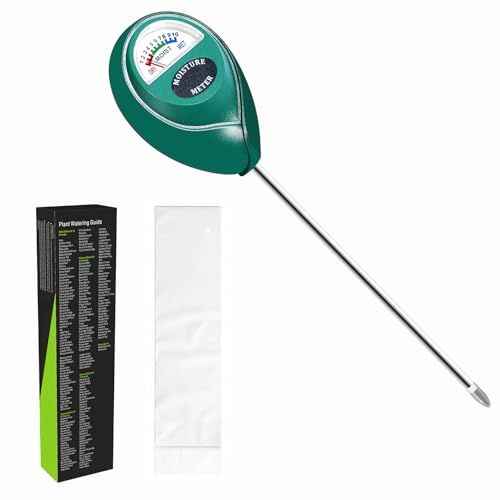
Trusted Since 2015: Become one of the many plant lovers who rely on the proven accuracy of XLUX. Established in 2015, our soil moisture meter has earned over 60,000+ verified ratings for its consistent performance. While many many newer brands come and go, we provide the long-term reliability and quality that American households have trusted for over a decade.
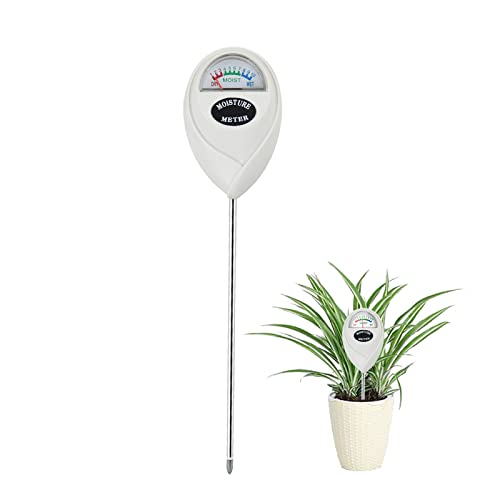
【SAVE YOUR PLANTS】: Over watering can cause problems with your plants or even kill them. This soil moisture meter helps you know the soil is dry, moist or wet.No more over watering!

Accurate Soil Moisture Detection: The XLUX Soil Moisture Meter can tell you if the soil deep inside your pot or garden is dry, moist or wet; whereas your eyes and fingers can only determine the moisture level of the soil surface. The probe is 5.5 inches (14 cm) longer than regular styles, allowing it to measure the soil moisture at the bottom of larger and deeper flower pots.
Underwatering
On the flip side, underwatering is another mistake that can occur when watering broccoli. If a plant doesn’t receive enough water, it will start to wilt and its growth will be stunted. If this happens, it may be necessary to give the plant an extra deep watering in order to revive it. A good rule of thumb is to give broccoli about an inch of water per week from either rainfall or irrigation.
Incorrect Water Temperature
Another mistake that people make when watering broccoli is not using water that has been warmed up first. Cold water can shock the roots of a plant, leading to wilting and other damage that can stunt its growth. To avoid this problem, always use room temperature or slightly warm water when watering your plants.
Recommended Products
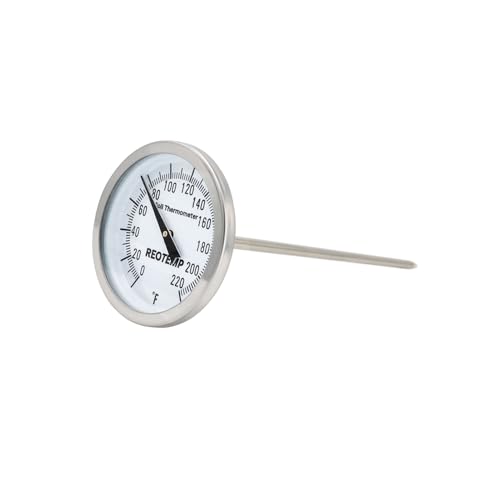
Corrosion Resistant 304 Stainless Steel Case, Bezel and 5" Stem

【The Ideal 5-Inch Depth for Home Gardens & Compost Bins】Designed for All Passionate Gardeners! This probe is long enough to reach the active core of backyard compost piles and deep into soil for accurate readings, yet perfectly sized for raised beds and containers without the hassle of overly long professional stems.

STYLISH MAX MIN THERMOMETER - Digital display garden maximum minimum thermometer showing high, low and current temperatures
Poor Drainage
Poor drainage in a planting bed can also lead to problems when watering broccoli. If excess moisture builds up in the soil due to poor drainage, it can lead to root rot and other diseases that will reduce yields. It’s important to make sure that your planting bed has adequate drainage before you start planting so you don’t run into any problems later on.
Signs of Over-Watering
Plants that are over-watered will show signs of wilting, yellowing, or drooping leaves. Their roots will be soft and often have a rotten smell. If you notice any of these signs, it’s time to cut back on watering. Over-watering can quickly lead to root rot and even death in some plants.
Signs of Under-Watering
On the other hand, plants that are underwatered will show signs of wilting or yellowing leaves as well. They may also have stunted growth or dry, crispy edges on the leaves. If you notice any of these signs, it’s time to increase water frequency or amount. Under-watering can also lead to plant death if not addressed quickly enough.
Conclusion
Broccoli is a vegetable that requires a considerable amount of water to grow. It needs to be watered regularly, and soil moisture should be monitored throughout the growing season. The ideal soil moisture level for broccoli is between 40-60%. If the soil is too dry, it will stunt growth, and if it’s too wet, it can cause disease and root rot. Additionally, good drainage is essential for optimal growth.
Ideally, broccoli should be watered deeply two to three times per week. During periods of high heat or extended dry spells, additional watering may be needed. A drip irrigation system can help conserve water by delivering precise amounts directly to the roots of the plants. This can also reduce water waste while providing the broccoli with enough moisture to thrive.
In conclusion, broccoli needs a substantial amount of water in order to grow successfully and produce nutritious heads of florets. By monitoring soil moisture levels and providing adequate irrigation, gardeners can ensure their broccoli plants have enough water throughout the growing season for optimal health and yield.
