

Winter can be a tricky time for vegetable gardeners. As the days get shorter and the temperatures drop, many gardeners are left wondering: Can I grow vegetables in the winter?
The truth is, with some preparation and planning, you can have a productive winter vegetable garden. In this article, we’ll explore how to get started growing vegetables during the cold months of winter. We’ll look at which vegetables are best suited for winter growth and what techniques you can use to ensure a successful harvest. Plus, we’ll discuss the benefits of having a winter garden and how it can help keep your family supplied with fresh produce when other options may be limited.
Whether you’re an experienced gardener or just getting started, this article will help you understand how to grow vegetables in the winter so you can enjoy fresh produce all year round.
Growing vegetables in cold weather can be challenging, but it is possible with the right techniques. To successfully grow vegetables in cold weather, it is important to choose varieties that are suited to cooler temperatures, such as spinach, kale, and root vegetables. Additionally, it is important to protect plants from strong winds and frost by using cloches or row covers. It’s also beneficial to use a soil warming technique such as mulching or covering the soil with black plastic to help retain heat and moisture. Lastly, it is important to water regularly during cold weather so that the plants don’t dry out. With these tips, you can successfully grow vegetables in cold weather.
What Vegetables Can Be Grown in Winter?
Winter is a great time to grow vegetables for those who live in more temperate climates. Many vegetables will thrive in the cold weather, making them ideal for winter gardening. Some of the vegetables that can be grown in winter include kale, cabbage, turnips, Brussels sprouts, carrots, radishes, beets, and spinach. Additionally, many herbs such as parsley and cilantro can also be grown during the winter months.
Kale is a hearty vegetable that grows well in cooler temperatures and is incredibly nutrient-dense. It can be harvested throughout the winter months as long as it is protected from frost or snow cover. Cabbage is similar to kale and grows well during the colder months. It’s a great source of vitamins A and C and is perfect for adding crunch to salads or soups.
Root vegetables such as turnips and radishes are ideal for winter gardening since they prefer cooler temperatures and are relatively hardy. Carrots are another popular choice since they will stay sweet even in cooler weather. Beets are also easy to grow during winter months since they can withstand colder temperatures without losing flavor or texture.
Brussels sprouts are a favorite among many gardeners due to their hardiness during the winter season and their flavor when cooked properly. Spinach is an excellent green that tolerates cold temperatures better than most other greens making it a great option for winter gardening. Lastly, many herbs such as parsley and cilantro can also be grown during the colder months adding flavor and nutrition to any dish.
Winter offers many opportunities for gardeners to enjoy fresh vegetables even when it’s cold outside. With some planning ahead of time and proper protection from frost or snow cover, many different types of vegetables can be grown successfully in winter gardens providing delicious meals all year round!
Recommended Products

FALL AND WINTER VEGETABLE SEEDS – 8 non-GMO heirloom varieties for planting vegetables in cool weather gardens, cold frames, raised beds, and containers

BEET DETROIT DARK RED: A high-quality, all-season variety with uniform spherical roots. This deep red beet features smooth skin and tender, juicy flesh with high sugar content. Rich in essential minerals like Iron and Potassium, it's perfect for roasting, juicing, and fresh salads.
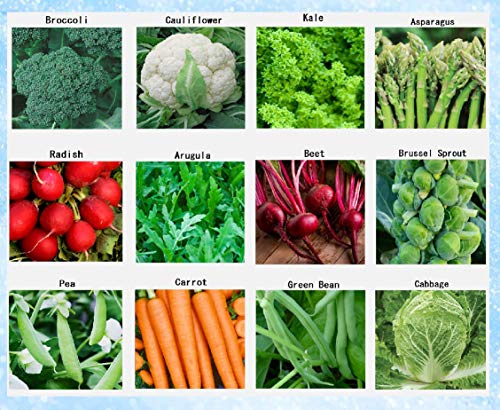
☘ 12 MOST POPULAR WINTER VEGETABLES: Radish, Pea, Broccoli, Beet, Carrot, Cauliflower, Green Bean, Kale, Arugula, Cabbage, Asparagus, Brussel Sprout.
Types of Cold-Hardy Vegetables
Cold-hardy vegetables are those varieties that can withstand cold temperatures, often below freezing. These hardy vegetables are typically grown in cooler climates and are well suited for autumn and winter gardening. Some of the more popular varieties of cold-hardy vegetables include cabbage, kale, brussels sprouts, cauliflower, broccoli, turnips, beets, carrots, parsnips and radishes.
Cabbage is one of the most popular cold-hardy vegetables because it can withstand temperatures as low as 10°F (-12°C). It is also very versatile; it can be used in salads or cooked as a side dish. Kale is another popular cold-hardy vegetable that thrives in cool weather. It is an excellent source of vitamins A and C and has a unique flavor that makes it a great addition to soups or salads.
Brussels sprouts are a classic cold-weather vegetable that can tolerate temperatures below freezing for short periods of time. They have a slightly sweet flavor when cooked and pair well with other vegetables or proteins. Cauliflower is another member of the cruciferous family that does well in colder climates. It has a mild flavor that makes it ideal for roasting or adding to salads and soups.
Broccoli is another cold-hardy vegetable that is high in vitamins A and C and provides dietary fiber. It can be eaten raw or cooked; it pairs especially well with garlic or olive oil when roasted in the oven. Turnips are also a popular cold weather vegetable; they have a sweet yet earthy flavor when cooked and can be added to soups or roasted in the oven with other root vegetables like potatoes or carrots.
Beets have become increasingly popular over the past few years due to their unique flavor profile and vibrant colors. They are high in vitamins A, B6 and C and have an earthy yet sweet taste when cooked properly. Carrots are one of the most popular root vegetables around; they are high in fiber and provide essential vitamins like beta carotene which is important for eye health. Parsnips are similar to carrots but with a slightly more earthy flavor; they pair well with other root vegetables like turnips when roasted together in the oven. Radishes add color to any dish; they have an intense spicy flavor when eaten raw but mellow out when cooked on the stovetop or roasted in the oven with other veggies like potatoes or onions.<
Choosing the Right Location for Winter Gardening
Winter gardening can be a great way to enjoy the outdoors and get some fresh produce, even during the coldest months of the year. However, it is important to choose the right location for your winter garden. The type of location you choose will depend on what plants you plan on growing and how much sunlight they need. Here are some tips for selecting the best location for your winter garden.
When choosing a location for your winter garden, consider how much sunlight it gets on average. Some plants need full sun to thrive while others may prefer more shade. Look at when and where the sun peaks in your area throughout the day and select a spot that will provide adequate light for your plants. If you don’t have access to a lot of direct sunlight, look into installing an artificial light source like grow lights or LEDs to supplement natural light.
Also consider the temperature range in the area where you plan on gardening. Some plants are more tolerant of cold temperatures while others prefer warmer temperatures. If you live in an area with colder winters, look for locations that are slightly warmer than other areas around them such as south-facing slopes or sheltered spots near buildings or walls. You can also use blankets or plastic sheeting to insulate your plants from harsher temperatures.
Finally, think about how much space you have and what types of plants you want to grow in your winter garden. If you have limited space and want to grow vegetables, look for varieties that don’t require a lot of space, such as salad greens or root vegetables like carrots and potatoes. If you have more room available, look into planting taller crops like broccoli or cabbage.
By taking into consideration these factors when choosing a location for your winter garden, you can ensure that your plants get enough light and remain protected from extreme temperatures throughout the season. With careful selection and planning, you can enjoy fresh produce all year round!
Recommended Products
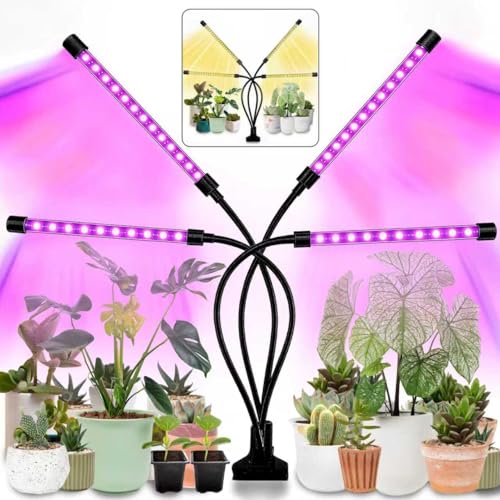
🌻Efficient LED Combination: This LED lamp has grow lights made up of 80 efficient growing LEDs ( 32 red lights, 12 blue lights,20 yellow lights and 16 white lights). It meets the conditions of plant growth without sunlight. 1--Full Spectrum(380nm-800nm): Suitable for all plants to root and sprout. 2--Red(660nm)+BLUE(460nm) Spectrum: for blooming and fruits. 3--Red+Blue+Full Spectrum: A mix of Red+Blue+Warm White is best to fuel the growth of your plants.

[After-Sales Support]: We offer tech support, product replacements, and more. Our lights undergo thorough testing before shipping. Despite our best efforts, there might be cases where lights get damaged during transportation, and some may be missing parts or become dirty due to being returned. For after-sales support, please reach out to us with images + text/videos + text, and we will respond within 24 hours(If you don’t know how to contact us, you can read the after-sales support in the manual

5000K White Full Spectrum Light: Barrina T5 grow lights 1ft provide indoor plants with full-spectrum sunlight replacement. We provide the most reasonable grow light wave based on the ratio of the absorption of the plant
Preparing the Soil for Planting
Preparing the soil for planting is essential to ensure healthy plants and a successful harvest. The quality and texture of the soil in your garden can vary greatly and you need to understand how to prepare it for planting. The first step is to remove any weeds or debris from the area you plan to plant. Next, use a spade or garden fork to loosen the soil and turn it over, breaking up any large clumps of dirt. This allows air, water, and nutrients to penetrate the soil more easily. Once your soil has been turned over, it’s important to add compost or other organic matter that will help increase its fertility. Compost helps retain moisture and nutrients in the soil so that plants have an easier time growing. Finally, you should rake your soil so that it is level and free of debris before planting your seeds or seedlings. By taking these steps, you can ensure that your plants have an ideal environment in which to grow.

Starting Seeds Indoors Before Transplanting Outdoors
Starting seeds indoors before transplanting them outdoors is an effective way to jumpstart the growing season. This technique can be especially useful for gardeners in colder climates, where the ground may still be too cold and wet for outdoor planting. By starting seeds indoors, you can get a head start on the growing season, giving your plants extra time to thrive and produce a bounty of fruits and vegetables.
The process of starting seeds indoors is relatively simple. You’ll need to find a suitable container for your seedlings, such as a plant pot or tray. Fill the container with quality soil or potting mix, then place your seeds in the soil at the recommended depth. Water your seeds regularly and place them in a warm area that receives plenty of sunlight. In no time, you should see your seedlings sprouting up!
Once your seedlings have grown to the recommended size, it’s time to transplant them outdoors. Wait until all danger of frost has passed and ensure that the soil temperature is at least 55 degrees Fahrenheit (12 degrees Celsius). Dig holes in the prepared garden bed that are deep enough for the roots of your seedlings, then carefully transfer each plant into its own hole and cover it with soil. Water thoroughly after transplanting and continue to water regularly throughout the season as needed.
Starting seeds indoors before transplanting outdoors can be a great way to get a jump start on the growing season. With just a few simple steps, you can give your plants an extra boost so that they can produce their best harvest ever!
Using Cover Crops to Protect Soil During Winter Months
Cover crops are a great way to protect soil during the winter months. These plants help to reduce erosion, improve soil fertility, and provide habitats for beneficial insects. They are also an excellent way to keep the soil covered and reduce weed growth. Cover crops can be planted in the fall and allowed to grow until spring when they are tilled into the soil. This provides extra organic matter that can help improve water retention and increase nutrient availability in the soil.
Cover crops come in many varieties, including legumes such as clover, vetch, and alfalfa; grasses such as rye and oats; and brassicas such as kale and turnips. Each variety has its own benefits, so it is important to choose the right one for your specific needs. Legumes help to fix nitrogen into the soil, making it more fertile for future crop growth. Grasses provide biomass that can be used as mulch or composted for later use. And brassicas can add organic matter while also providing protection from pests and diseases.
When planting cover crops it is important to consider when they should be planted, how much seed is needed, and when they should be terminated before planting your next crop. Planting cover crops too late in the season can lead to insufficient growth before winter sets in, while planting too early could mean they compete with your other plants for resources or become too tall before being tilled into the ground. It is also important to choose a variety that is suited for your climate and soil type so you get maximum benefit from them.
Ultimately, using cover crops is a great way to protect your soil during those cold winter months while adding valuable nutrients back into it come springtime. By taking a little bit of extra time upfront you can ensure that you have healthy soils all year round!
Selecting Varieties with Longer Growing Seasons
Selecting varieties with longer growing seasons can be an important consideration when planning your garden. Longer growing seasons mean that vegetables such as tomatoes and squash can be harvested later in the season, allowing for a greater yield. They also provide an extended period of time for harvesting, allowing for more flexibility when it comes to planting and harvesting times. There are several factors to consider when selecting varieties with longer growing seasons, including the climate, soil type, and type of vegetable being grown.
Climate is an important factor to consider when selecting varieties with longer growing seasons. In areas with mild winters and temperate summers, some varieties may have a much longer growing season than others. For instance, in mild climates such as those found in California or Florida, some tomato varieties may have a much longer growing season than those found in colder regions. It is important to research the specific climate requirements of each variety before planting in order to ensure that it will thrive during its entire growing season.
Soil type can also affect the length of a plant’s growing season. Sandy soils tend to warm up faster in the springtime than heavier soils do, allowing for earlier planting of certain varieties. On the other hand, heavier soils typically retain moisture better than sandy soils do and may be better suited for crops like potatoes that require consistent moisture levels throughout their growing season. The type of soil should be taken into account when selecting varieties with longer growing seasons as well as when planning out your garden layout.
Finally, the type of vegetable being grown should also be taken into consideration when selecting varieties with longer growing seasons. Some vegetables are naturally adapted to having shorter or longer growing seasons than others; for instance, tomatoes typically require a much longer season than lettuces or spinach do. When planning out your garden layout and selecting which varieties to plant, it is important to keep this in mind so that you can maximize your yield throughout the entire season.

Conclusion
Growing vegetables in the winter is certainly possible and can be a rewarding experience for both experienced and novice gardeners. Although the growing season will be shorter, with proper care and preparation you can still enjoy a successful harvest. The key is to choose crops that can tolerate the cold temperatures, provide adequate protection from the elements, and get enough sunlight. Additionally, selecting varieties that are suited for winter growing in your area can help you achieve a successful harvest. With careful planning and proper maintenance, you can have a garden full of fresh vegetables throughout the winter months.
Overall, it is important to remember that growing vegetables in the winter requires some extra effort and preparation compared to summer gardening. However, armed with knowledge and resources you can have a successful vegetable garden all year round. You will also have the added benefit of enjoying fresh produce during a time when it may not be readily available in stores or farmer’s markets. So don’t let the colder weather stop you from growing your own vegetables this winter!
