

Growing vegetables in North Carolina requires understanding the local climate and soil conditions. By selecting the right crops and employing effective gardening techniques, you can achieve a productive vegetable garden throughout the growing season.
Best Vegetable Varieties for North Carolina
Choosing the right vegetable varieties is crucial for success in North Carolina’s diverse climate. The state experiences varying temperatures and humidity levels, which can impact crop growth. Focus on varieties that thrive in your specific region, considering factors such as frost dates and heat tolerance.
North Carolina Vegetable Varieties for 2026
Understanding the best vegetable varieties for North Carolina in 2026 is essential for successful gardening in the region. This section highlights the top choices suited to the state’s diverse climates and growing conditions, ensuring that both novice and experienced gardeners can cultivate a thriving vegetable garden. Explore these recommended varieties to maximize your harvest and enjoy fresh produce throughout the growing season.
Consider planting these vegetables based on your region’s growing conditions:
| Vegetable | Best Planting Time | Days to Maturity | Ideal Soil pH |
|---|---|---|---|
| Tomatoes | April to May | 70-85 | 6.0-6.8 |
| Peppers | April to May | 60-90 | 6.0-6.8 |
| Cucumbers | May to June | 50-70 | 6.0-7.0 |
| Beans | May to June | 50-60 | 6.0-7.0 |
| Lettuce | March to April | 30-50 | 6.0-7.0 |
North Carolina Soil Preparation for Vegetables
Preparing the soil is a crucial step for successful vegetable gardening in North Carolina. The state’s diverse soil types and varying climates require specific strategies to enhance fertility and structure. This section will outline effective methods for soil preparation tailored to the unique conditions across different regions of North Carolina.
Soil preparation is essential for healthy vegetable growth. North Carolina soils can vary significantly, so testing your soil will provide valuable information. Amend your soil based on test results to ensure optimal nutrient availability.
Recommended Products

Comprehensive 4-in-1 Soil Analysis: Test pH, Nitrogen, Phosphorus & Potassium in One Kit – Gain a complete understanding of your soil's condition with a single kit. Measure key parameters to help optimize your garden's growth potential, whether for flowers, vegetables, or lawns

Quick, at home results for Soil pH, Nitrogen, Phosphorous and Potash Innovative and inexpensive soil test kit features an easy-to-use capsule system and patented color comparators

Quick, at home results for Soil pH, Nitrogen, Phosphrous and Potash
Soil Testing Techniques for North Carolina Gardens
Understanding the soil in your North Carolina garden is crucial for successful vegetable growth. This section will explore effective soil testing techniques tailored to the region’s unique conditions, helping you determine nutrient levels and pH balance. By employing these methods, you can create an optimal environment for your plants to thrive.
Collect soil samples from multiple locations in your garden.
Send samples to a local extension office for analysis.
Review results to determine nutrient deficiencies.
Amend soil with organic matter such as compost or well-rotted manure.
North Carolina Vegetable Watering Strategies
Effective watering is crucial for successful vegetable gardening in North Carolina, where varying climates and soil types can present unique challenges. Understanding the specific watering needs of different vegetables and adapting techniques to regional conditions can significantly enhance growth and yield. This section explores tailored strategies to ensure your vegetable garden thrives despite the state’s diverse weather patterns.
Proper watering is vital for vegetable health. North Carolina’s climate can lead to both drought and heavy rainfall, making it important to establish a consistent watering schedule.
Recommended Products
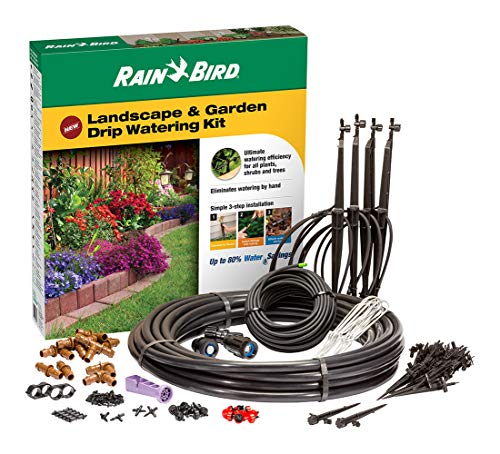
Comprehensive 108-piece kit for flower beds, gardens and landscaped areas; eliminates hand watering, saves time and money

2026 Upgraded Quick Connect Drip Irrigation System – 3 Best-Selling Designs in 1: This drip irrigation system is designed as a complete irrigation system for garden watering, combining three popular irrigation solutions into one kit.

Be a Gardening Master with the help of our superior and complete Drip Irrigation Kit: 10 Drip Irrigation Emitters Vortex + 20 Drip Emitters Spray + 50ft flexible & durable 5/16 irrigation tubing + 50ft 1/4 inch Drip Irrigation Tubing + 12 tubing coupler + 5 ¼ Tubing Tee Splitter + Tubing End Plugs + Water Connector + 1 x Complete Instructions Guide Hard Copy + 2 Grow your Own Vegetables & Fruits Guide full with pieces of advice and practical tips Digital Format.
North Carolina Vegetable Watering Strategies
Effective watering strategies are crucial for successful vegetable gardening in North Carolina’s diverse climate. Understanding regional variations in rainfall and temperature will help you tailor your watering practices to ensure your plants thrive. This section explores practical techniques and tips for optimizing water use, promoting healthy growth, and conserving resources throughout the growing season.
Frequency: Water deeply once a week, adjusting based on rainfall.
Method: Use soaker hoses or drip irrigation to minimize evaporation.
Timing: Water early in the morning to reduce disease risk.
North Carolina Vegetable Pest Control Strategies
Effective pest control is essential for successful vegetable gardening in North Carolina, where diverse climates and ecosystems present unique challenges. Understanding the specific pests that threaten your crops and implementing targeted strategies can significantly enhance your yields. This section outlines practical approaches to managing pests while promoting a healthy garden environment.
Pest and disease management is critical for maintaining a healthy vegetable garden. North Carolina’s warm climate can attract various pests, so proactive measures are necessary.
Pest Management Techniques for North Carolina Vegetables
Effective pest management is crucial for successful vegetable gardening in North Carolina, where diverse climates and ecosystems can invite various challenges. Understanding local pests and implementing tailored strategies will help protect your crops and ensure a bountiful harvest. This section will explore practical techniques specifically designed for the unique conditions of North Carolina.
Monitor plants regularly for signs of pests or disease.
Use row covers to protect young plants from insects.
Introduce beneficial insects like ladybugs to control aphid populations.
Apply organic pesticides as a last resort.
North Carolina Vegetable Harvesting Techniques
Understanding the right harvesting techniques is essential for maximizing your vegetable yield in North Carolina. This section delves into effective methods tailored to the state’s unique climate and growing conditions, ensuring that you can enjoy the freshest produce from your garden. By following these practices, you’ll enhance both the quality and quantity of your harvest.
Knowing when and how to harvest your vegetables ensures peak flavor and quality. Each vegetable has specific signs indicating readiness for harvest.
North Carolina Tomato Harvesting Techniques
In North Carolina, mastering the art of tomato harvesting is essential for maximizing yield and flavor. This section delves into effective techniques tailored to the state’s unique climate and growing conditions, ensuring that gardeners can enjoy a bountiful crop. Whether you’re a novice or an experienced grower, these methods will help you achieve the best results.
Tomatoes: Harvest when fully colored and slightly soft.
Peppers: Pick when they reach desired size and color.
Beans: Harvest when pods are firm and before they dry out.
Lettuce: Cut leaves when they reach desired size, leaving the base to regrow.
North Carolina Vegetable Planting Schedule
Understanding the optimal planting schedule is crucial for successful vegetable gardening in North Carolina. This section outlines the best times to plant various vegetables based on regional climate variations, ensuring you maximize your harvest while adapting to local growing conditions. By following this guide, you can effectively plan your garden for the upcoming growing season.
Understanding the seasonal planting calendar helps optimize your gardening efforts. Each region in North Carolina may have different planting times based on frost dates.
North Carolina Vegetable Planting Timeline
Understanding the optimal planting timeline is crucial for successful vegetable gardening in North Carolina. This section outlines the specific planting dates and seasonal considerations tailored to the state’s diverse climate regions, ensuring that gardeners can maximize their harvests throughout the growing season. By following this guide, you can align your planting schedule with local conditions for the best results.
| Season | Vegetables to Plant | Last Frost Date | First Frost Date |
|---|---|---|---|
| Spring | Tomatoes, Peppers, Cucumbers | April 15 | October 31 |
| Summer | Beans, Squash | N/A | N/A |
| Fall | Lettuce, Kale | N/A | November 15 |
Pest Management and Weather Insights for North Carolina
Effective pest management and an understanding of local weather patterns are crucial for successful vegetable gardening in North Carolina. This section delves into the specific challenges posed by regional pests and climate, offering practical strategies to safeguard your crops while adapting to the unique environmental conditions of 2026. By staying informed, you can enhance your gardening success and yield.
Be aware of local pest outbreaks and weather patterns. Regularly check local extension services for updates on best practices and regional challenges.
