

While most vegetables need full sun to grow well, beets are an exception. These cheerful Root vegetables will grow in partial shade. In fact, if your beet plants are in too much sun, the roots can become bitter. So, if your garden is lacking in sunny real estate, beets are a good option. Just plant them in an area that gets four to six hours of sunlight a day.
No, beets do not grow in shade.
Recommended Products

Beautiful - Large individual packets of Blue Columbine, Johnny Jump Up Violet, English Daisy, Forget-me-not, and Rainbow Mix Coleus - this collection boasts five colorful flowers that do well in areas with partial shade. Bright vibrant colors such as blue, pink, purple, and orange along with different sizes and textures.

TOP-RATED NUTRITIONAL HEIRLOOM: Detroit Dark Red is a premium, high-yielding, and stress-resistant beet variety that stands at the pinnacle of root vegetables. This all-season favorite is a mid-early universal cultivar, perfect for consistent home harvests of professional quality.
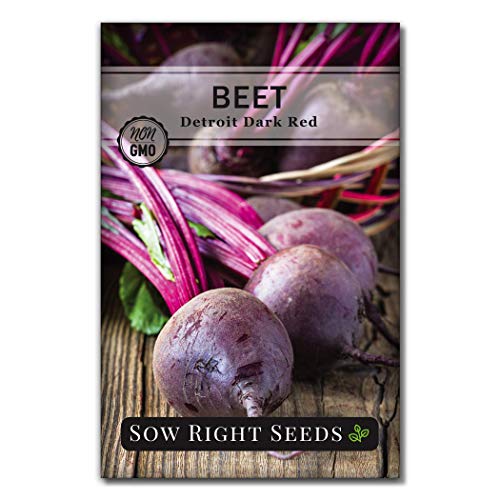
Beautiful - Large premium packet of Detroit Dark Red Beet (Beta var. ‘Detroit Dark Red’) seeds. Vivid, dark red 2-3" round beets have sweet flesh and tasty edible greens. This resilient variety can tolerate temperature variations, offering high productivity even in less-than-ideal soil conditions. Minimum of 1.5 g per packet (about 90 seeds).
How much sun is required for beets?
Beets are a root vegetable that need to be planted in well-drained, fertile soil that has been amended with compost. They need full sun to grow well, but will tolerate partial shade. Beets will do best in a soil pH that is between 6.0 and 7.0, but can tolerate slightly alkaline (pH 7.0+) soils. Beets should be spaced about 3 inches apart in the garden and will need to be thinned to about 1 beet per 2-3 inches when they are about 4 inches tall. Beets can be harvested when they are about 3-4 inches in diameter.
Arugula, endive, lettuce, sorrel, and spinach are all shade-tolerant vegetables that can be grown in a garden with little to no direct sunlight. These vegetables are also known as leafy greens and are packed with nutrients like vitamins A, C, and K, as well as folate and iron. Leafy greens are low in calories and fat, and can be eaten raw or cooked.
Collards, kale, mustard greens, and Swiss chard are also shade-tolerant vegetables that are packed with nutrients. These vegetables are known as cruciferous vegetables, and like leafy greens, they are low in calories and fat. Cruciferous vegetables are also a good source of fiber and antioxidants.
Beets, carrots, potatoes, radishes, rutabaga, and turnips are all shade-tolerant root vegetables that can be grown in a garden with little to no direct sunlight. Root vegetables are a good source of vitamins and minerals, and can be eaten raw or cooked.
Broccoli and cauliflower are shade-tolerant cruciferous vegetables that are packed with nutrients like vitamins C and K, as well as fiber and antioxidants. Brussels sprouts are another
Recommended Products

100% Pure, Non-GMO Seeds - No fillers, favorites only! Includes 27 easy-to-grow species: Cornflower Tall Blue, Siberian Wallflower, Chinese Houses, Coreopsis Lance Leaf, Sweet William, Foxglove, Purple Coneflower, Annual Dames Rocket, Rose Mallow, Toadflax/Spurred Snapdragon, Scarlet Flax, Lemon Mint, Alpine Forget Me Not, Five Spot, Baby Blue Eyes, Evening Primrose, Annual Phlox Red, Catchfly, Shirley Mixed
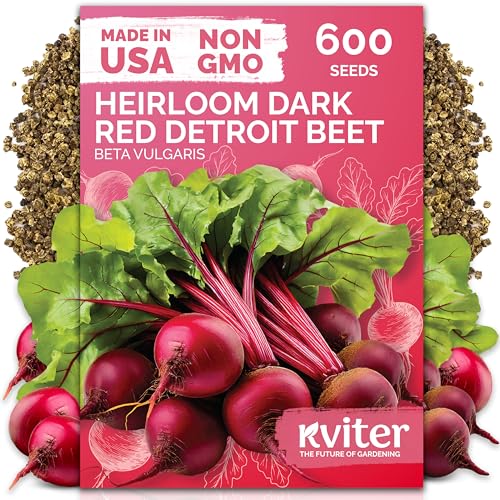
55-60 Day Harvest: Red beet seeds mature fast with tender 2-3 inch roots and sweet classic flavor; sow in loose, well-drained soil at 55-70 °F for best vegetable seeds results.

14,000 QUALITY SEEDS: Loaded with 14,000 fresh, wildflower seeds specially selected to thrive in areas with limited sunlight.
What vegetables do not need full sun
Leafy greens are some of the most versatile vegetables out there. They can be used in a variety of dishes, and they are relatively easy to grow. While they do prefer full sun, they can also tolerate partial shade. Some of the most popular leafy greens include kale, lettuce, spinach, arugula, and chard. Swiss chard is a particularly versatile leafy green, as it tastes a bit like both spinach and beets. No matter what type of leafy green you choose, you’re sure to have a delicious and healthy addition to your meal!
If you want to plant beets, you should do so six weeks before your first frost. This way, the beets will have time to grow to a harvestable size. After six weeks, you won’t be able to plant any more beets.
Do beets need lots of water?
Beets are a versatile vegetable that can be grown in a variety of conditions. They prefer full sun and 1″ of water each week, but can tolerate colder temperatures and less water than most other vegetables. Beets can be planted in early spring, several weeks before the last frost date. With proper care, they will produce a bountiful crop of delicious beets that can be enjoyed all season long.
You should plant beets when the temperatures are around 60-degrees Fahrenheit. During the day, they can handle temperatures as high as 70-degrees Fahrenheit and as low as 50-degrees Fahrenheit at night.
Recommended Products

ABUNDANT AUTUMN & WINTER HARVEST: Unlock a generous bounty of the finest autumn and winter vegetables from our carefully curated collection. Designed for fast results, effortless care, and high yields, this premium assortment allows you to plant new crops multiple times per season. Experience the joy of growing robust, cold-hardy varieties that thrive in shorter daylight hours and cooler temperatures.

HIGH GERMINATION RATE – PLANT WITH CONFIDENCE: Achieve impressive germination with our Detroit Dark Red Beet seeds, ensuring consistent growth and a rewarding gardening experience for both novice and experienced gardeners. Enjoy a bountiful and healthy harvest.

500 PREMIUM SEEDS: A robust supply of 500 high-quality Detroit Dark Red Beet seeds—perfect for gardeners seeking dependable, sweet, deep-red beets and nutritious greens.
Does anything edible grow in shade?
If you’re looking to add some leafy greens to your garden this year, don’t forget that many of them will do just fine in part shade! Arugula, bok choy, chard, chicory, cress, fenugreek, kale, lettuce, mâche, mustard, spinach, and sorrel are all great options. And as the weather warms up, these plants will really thrive in those shady spots in your garden.
If you’re looking for a plant to cover a large area of ground quickly, these are some good options. Creeping myrtle and Japanese pachysandra are both fast-spreading plants that will give you good coverage in a short amount of time. Cast iron plant is a bit slower-growing, but it is very tough and can handle just about any conditions. Some varieties of plantain lily are also good ground covers, and they come in a wide range of colors and sizes.
What is the easiest plant to grow in the shade
Whether you have a shady spot on your front porch or a dark corner in your yard, there’s a plant that will thrive there! Heuchera, Lamium, Tiarella, Pulmonaria, Astilbe, Digitalis, Hakonechloa, and Primula are all great choices for shady areas.
Root crops, such as radishes, carrots, potatoes, and beets, can grow in as little as 3-4 hours of direct sunlight. They prefer light or dappled shade for the rest of the day. Leafy greens, such as lettuce, arugula, kale, bok choy, and chard, are happy with just a few hours of sunshine each day.
Will onions grow in shade?
Onions need full sun and at least 13 to 16 hours of light daily during bulb formation. In order to get a harvest during the summer, the onions must be planted as soon as your soil is tillable in the spring.
Vegetables that produce fruits need a lot of sun, so if you’re growing them in shade, make sure to give them plenty of water. Water and shade are perfect conditions for snails and slugs, so keep an eye out for those pests.
Is August too late to plant beets
Some vegetables that can be planted during the month of August include leafy greens such as lettuce, spinach, collards, kale and mustard. Additionally, root vegetables such as radishes, turnips, beets and carrots can all be started from seeds during this month.August is generally a good month for planting vegetables, so be sure to take advantage of the opportunity to get your garden started!
Beets are a great vegetable to plant in the fall, and they are easy to take care of. Just make sure to plant them 4-6 weeks before your first expected frost, and you will be able to harvest the roots in no time.
Can I plant beets in late July?
When it comes to sowing root vegetables, midsummer is the ideal time to do so. This is because they can withstand a little frost and can be left under the snow for later harvest. As for broccoli and cabbage, July is the best time to plant them.
Beets like moist but not soaked soil. An inch per week, between rainfall and supplemental watering, will do the trick if your soil is rich in organic matter and well drained. Beets’ taproots grow high, sticking well out of the ground, so water gently to avoid washing the soil away.
What month is best to plant beets
It is important to plant beets at the right time so that they have a chance to grow and mature before the first frost in the fall. Beets can tolerate a little frost and near-freezing temperatures, but they will not do well if they are exposed to these conditions for an extended period of time. In cooler areas, it is best to plant beets about one month before the last spring frost when soil temperatures reach at least 50°F. This will give the plants a chance to grow and develop before the cold weather sets in. In areas with longer growing seasons, a late round of beets can be planted from June to September. This will allow the plants to mature and produce a crop before the first frost in the fall.
Just one beet comes from each beet plant. However, a single beet seed (which is actually a capsule of multiple seeds) can sprout multiple beet plants during germination.
Will beets grow in 90 degree weather
Beets are a type of vegetable that thrives in cool temperatures, with soil temperatures that average between 60 to 65 degrees Fahrenheit. However, they can tolerate some hot weather and almost any type of freeze, except for the most severe ones. When growing beets, it is important to ensure that they have access to plenty of water and that the soil is properly aerated.
Beets are very versatile vegetables that can be grown in both cool and warm temperatures. They do best when the days are warm (60 to 70 degrees) and nights are cool (50 to 60 degrees), but can also survive in colder climates as long as the temperatures don’t drop below 50 degrees for an extended period of time. Beets are also very easy to grow and require very little maintenance, making them a perfect vegetable to plant both in spring and late summer.
Conclusion
According to most sources, beets do best in full sun, but can tolerates some shade.
No, beets do not grow in shade because they need full sunlight to produce food for themselves. If they are grown in shade, they will not be able to produce enough food to sustain themselves and will eventually die.
