

Growing a peach tree from a pit is a straightforward process that can yield delicious fruit. Start by preparing the pit and ensuring proper conditions for germination. This guide provides a step-by-step approach to successfully grow your own peach tree.
Essential Supplies for Growing Peach Trees
To successfully grow a peach tree from the pit, having the right supplies is crucial. This section outlines the essential tools and materials you’ll need to ensure your peach tree has the best chance of thriving from the very beginning. Gathering these items will set the foundation for a fruitful gardening experience.
Before starting the process of growing a peach tree, gather essential supplies. You will need a peach pit, potting soil, a small pot, and water. Having these items ready will streamline your efforts and increase your chances of success.
| Supply | Purpose |
|---|---|
| Peach Pit | Seed for germination |
| Potting Soil | Nutrient-rich growth medium |
| Small Pot | Container for planting |
| Water | Hydration for the seed |
Peach Pit Cleaning and Drying Steps
The preparation of the peach pit is critical for successful germination. First, remove the pit from a ripe peach and clean it thoroughly. This helps eliminate any fruit residue that could hinder growth. After cleaning, let the pit dry completely for a few days.
Next, you will need to scarify the pit. This process involves gently sanding the outer shell to facilitate water absorption.
Once scarified, soak the pit in water for 24 hours. This step helps to initiate the germination process.
Planting the Peach Pit in Potting Soil
Once the pit is prepared, it’s time to plant it. Fill a small pot with potting soil and create a small hole about two inches deep. Place the pit in the hole with the pointed end facing down. Cover it with soil and gently pat it down to ensure good contact.
Water the soil lightly to maintain moisture without oversaturating it. Place the pot in a warm, sunny location to encourage growth. Consistent warmth and light are essential for the germination of the peach pit.
Optimal Soil Moisture for Peach Pits
Achieving the right soil moisture is crucial for successfully growing a peach tree from a pit. This section will explore the ideal moisture levels needed to encourage germination and healthy growth, ensuring your peach pit has the best chance to thrive in its new environment. Understanding these moisture requirements will set the foundation for a fruitful gardening experience.
After planting, monitor the growth conditions closely. Ensure the soil remains moist but not soggy. Overwatering can lead to rot, while underwatering can hinder germination.
Check for signs of growth, which typically appear within a few weeks. Once the seedling emerges, continue to provide ample sunlight and water. If the seedling becomes too tall or leggy, consider providing support or adjusting its light exposure.
Transplanting Your Peach Seedling Safely
When the seedling reaches about six inches in height, it’s time to consider transplanting. Choose a larger pot or a suitable outdoor location with well-draining soil. Carefully remove the seedling from its current pot, taking care not to damage the roots.
Dig a hole in the new location that is slightly larger than the root ball. Place the seedling in the hole and fill it with soil, ensuring it is at the same depth as it was previously growing. Water the newly transplanted seedling thoroughly.
Peach Tree Maintenance for Optimal Growth
Maintaining a peach tree is essential for ensuring healthy growth and a bountiful harvest. From proper watering techniques to effective pruning methods, understanding the specific needs of your tree will help you cultivate a thriving environment. This section outlines key maintenance practices that will support your peach tree’s development and fruit production.
Once your peach tree is established, ongoing care is essential for healthy growth. Regularly water the tree, especially during dry spells. Fertilize with a balanced fertilizer every few months to promote robust growth and fruit production.
Prune the tree annually to encourage branching and fruiting. This helps maintain a manageable size and improves air circulation around the branches. Watch for pests and diseases, and take action as needed to protect your tree.
Recommended Products
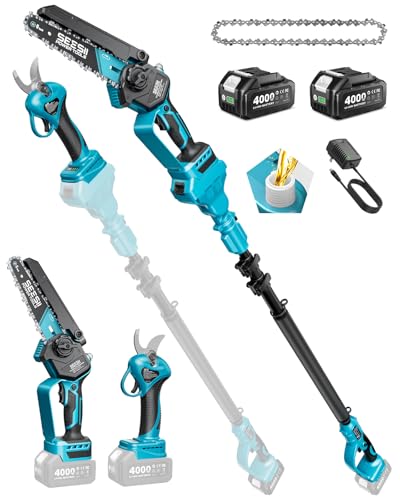
Ultimate 4-in-1 Pruning Solution: Experience the versatility of SEESII's electric pole saw and pruning shears combo. With a 6-inch pole saw designed for high branches and precision electric pruning shear for detailed work, you can seamlessly transition between tasks without changing tools. Whether you're maintaining your backyard or tackling a major landscaping project, this pole pruner system handles everything from delicate vines to thick overhead limbs
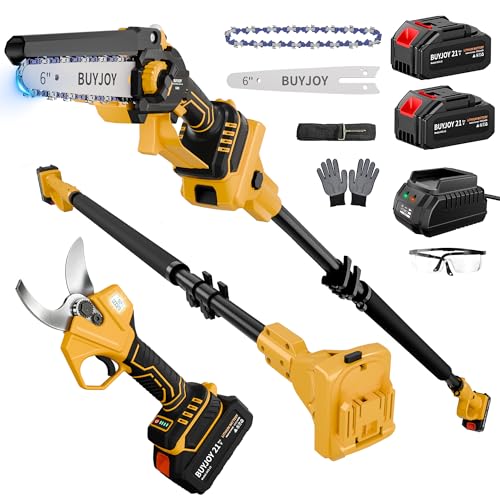
【4-in-1 Versatile Pole Saw & Pruner Kit】Combines pole saw and electric pruning shears into one versatile pruning solution! 6-inch pole saw designed for high branches and precision electric pruning shear for gardening.The pole reach of max 9.5 ft, enabling effortless high-branch trimming without ladders. It handles branches of all heights and thicknesses—whether trimming towering trees, low shrubs, thin twigs, or thick trunks, this kit tackles it all effortlessly

【4-in-1 Versatile Pole Saw & Pruner Kit】Combines pole saw and electric pruning shears into one versatile pruning solution! 6-inch pole saw designed for high branches and precision electric pruning shear for gardening.The pole reach of max 9.5 ft, enabling effortless high-branch trimming without ladders. It handles branches of all heights and thicknesses—whether trimming towering trees, low shrubs, thin twigs, or thick trunks, this kit tackles it all effortlessly
Peach Tree Growth Challenges and Solutions
Growing a peach tree from a pit can be a rewarding endeavor, but it comes with its share of challenges. From germination issues to pest management, understanding these obstacles is crucial for successful cultivation. This section will explore common problems faced by aspiring peach tree growers and provide effective solutions to ensure healthy growth.
Growing a peach tree from a pit can present challenges. Here are some common issues and solutions:
| Issue | Solution |
|---|---|
| No Germination | Ensure proper soaking and warmth |
| Wilting Leaves | Check for overwatering or underwatering |
| Pests | Use insecticidal soap or neem oil |
Be vigilant and proactive in addressing any problems that arise. Early intervention can save your tree from serious damage.
Harvesting Ripe Peaches from Your Tree
Once your peach tree has matured and produced fruit, knowing when and how to harvest ripe peaches is crucial for enjoying their sweet flavor. This section will guide you through the signs of ripeness and the best techniques for picking peaches to ensure you get the most out of your homegrown bounty.
After a few years, your peach tree will begin to bear fruit. Patience is key, as it may take time for the tree to mature. Once your peaches are ripe, enjoy the delicious rewards of your hard work.
Growing a peach tree from a pit is a fulfilling project that can yield sweet fruit for years to come. Follow these steps closely to ensure your success.
